The story of the Doctrine of Discovery — papal bulls issued by the Vatican that authorized conquest and colonization, adapted as international law — spans centuries and continents. In the 15th century, during the “Age of Exploration,” popes granted Spanish and Portuguese monarchs the right to seize lands not owned by other European Christian monarchs.
These papal bulls also codified racism and slavery. Other European countries followed suit, and in 1823, the Supreme Court incorporated the Doctrine into U.S. law. Yet this is no relic of history. The Supreme Court has cited the 1823 Johnson v. M’Intosh case as recently as 2005 to overturn a tribal sovereignty claim upheld by lower courts, making it both relevant and necessary to explore the ongoing impact of the Doctrine in the 21st century, including its role in the climate crisis.
about the doctrine of discovery
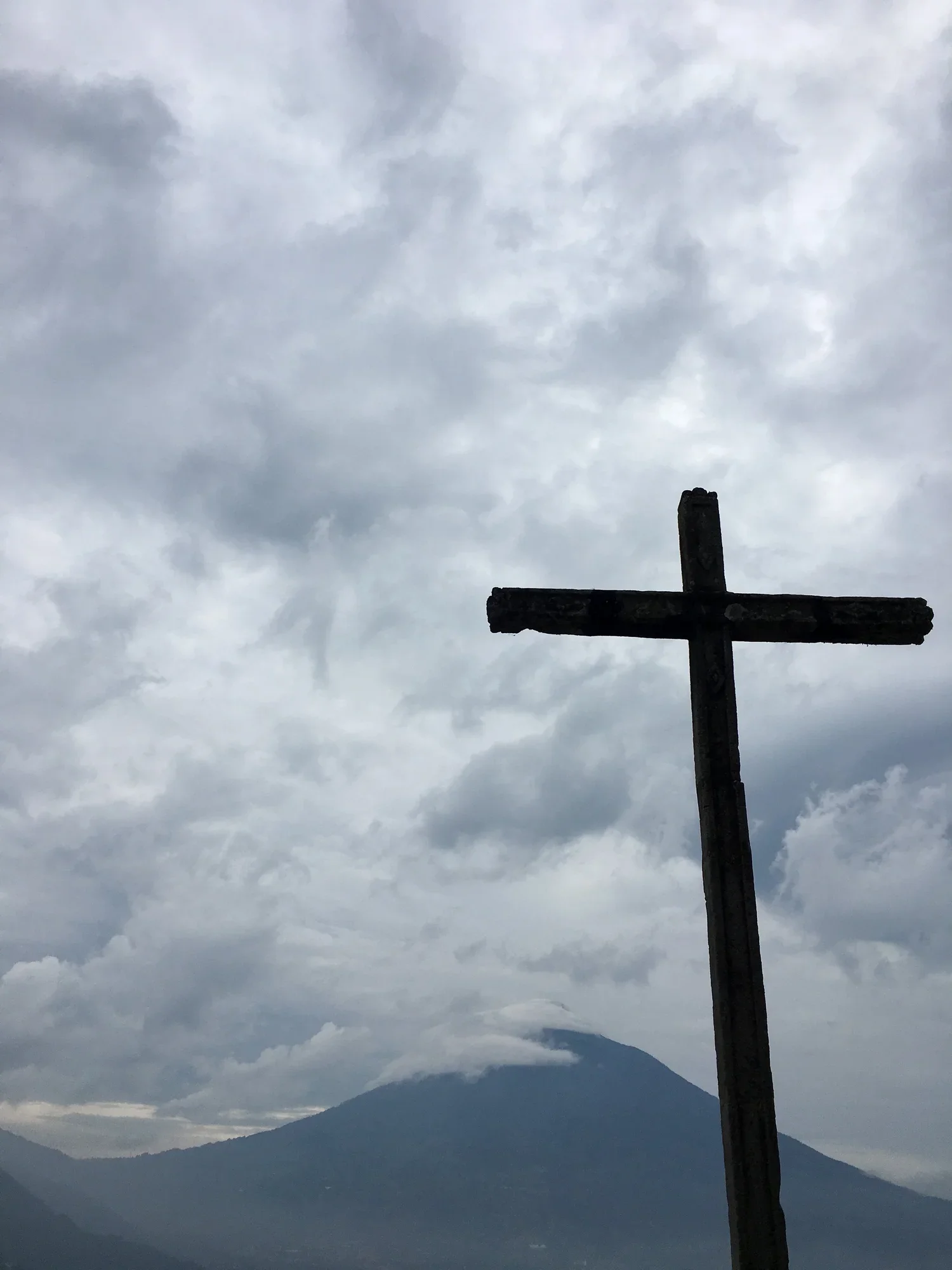
Guatemala
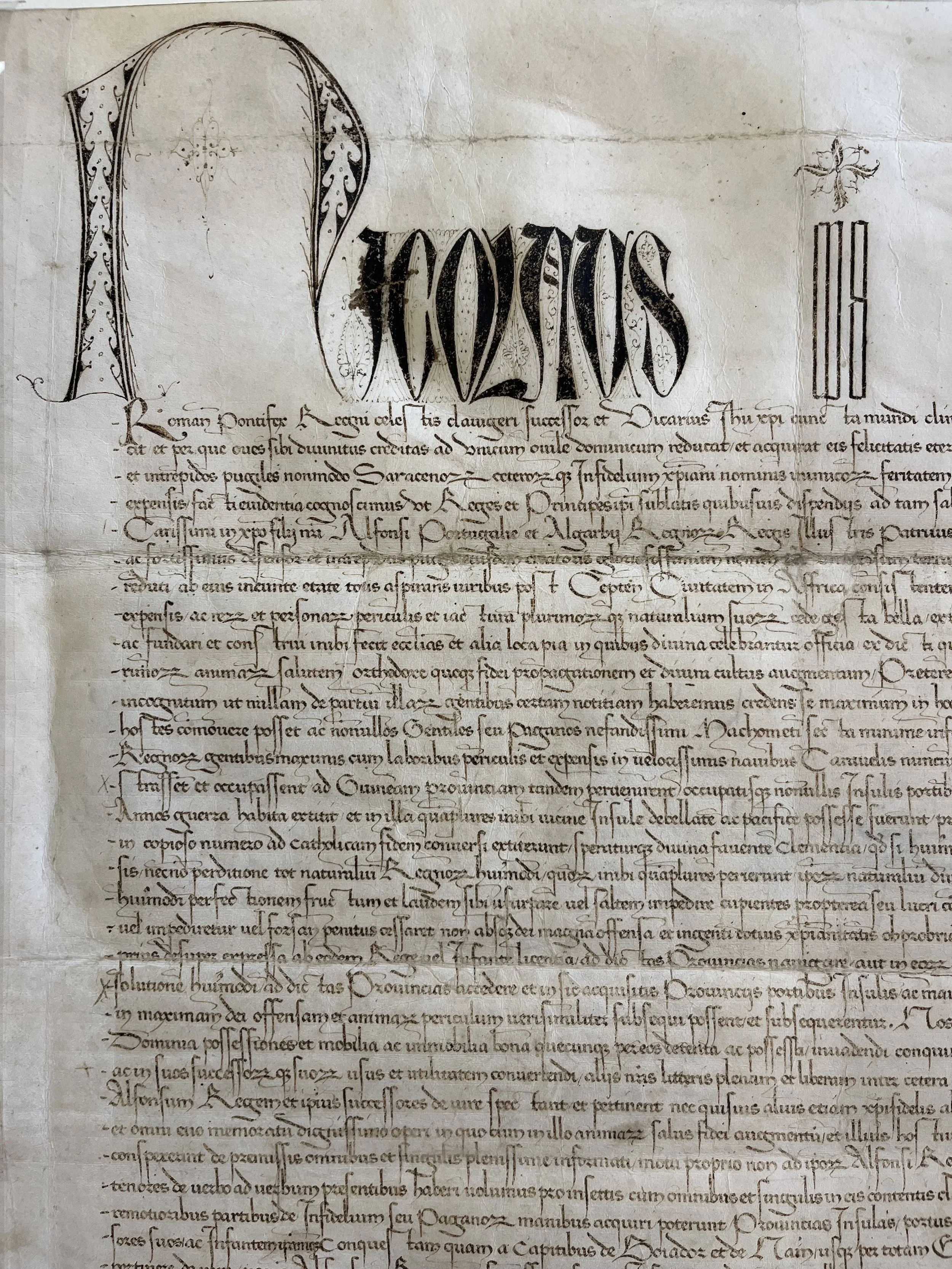
Detail of the papal bull Romanus Pontifex, issued in 1455
Excerpt from the 1455 papal bull Romanus Pontifex:
…to invade, search out, capture, vanquish, and subdue all Saracens and pagans whatsoever, and other enemies of Christ wheresoever placed, and the kingdoms, dukedoms, principalities, dominions, possessions, and all movable and immovable goods whatsoever held and possessed by them and to reduce their persons to perpetual slavery…
The papal bulls that comprise the Doctrine of Discovery were promulgated by two popes - Nicholas V and Alexander VI - between 1452 and 1493, in collaboration with the Portuguese and Spanish monarchs.
Dum Diversas, issued in 1452 by Nicholas V, authorized King Afonso V of Portugal to conquer and subjugate (enslave) Saracens (Muslims) and pagans in newly “discovered” West Africa.
Romanus Pontifex, issued in 1455 by Nicholas V, reiterated and expanded upon the territorial claims of Dum Diversas, asserting Portuguese dominion over colonized lands and non-Christian inhabitants.
Inter Caetera, issued in 1493 by Alexander VI immediately after the return of Christopher Columbus from his first voyage, granted King Ferdinand II of Aragon and Queen Isabella of Castile dominion over the Western Hemisphere up to the “line of demarcation” between Spanish and Portuguese claims of world dominion, modified slightly by the Treaty of Tordesillas in 1494.
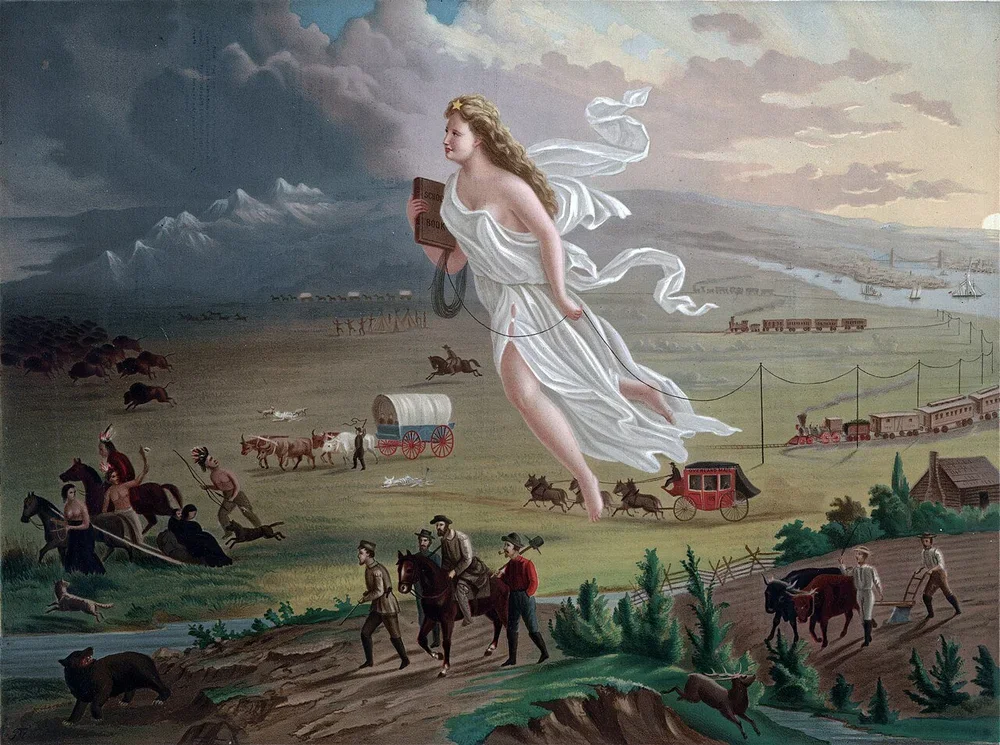
‘American Progress’ by John Gast, 1872
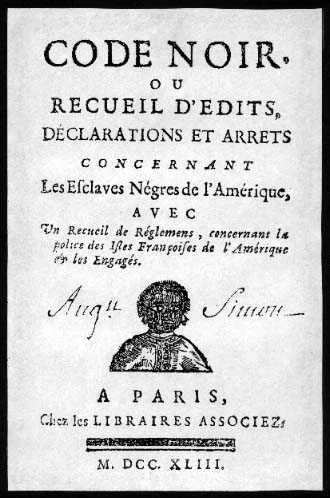
Code Noir
The Code Noir (Black Code) was issued in 1685 by King Louis XIV of France. The decree defined the management, punishment, and conversion of enslaved people in the French colonies, and ordered the expulsion of all Jews. This decree was the basis of the Louisiana Slave Code, and later of Jim Crow.
On May 28, 2026, the French Parliament voted unanimously to formally repeal the Code Noir.
Resources
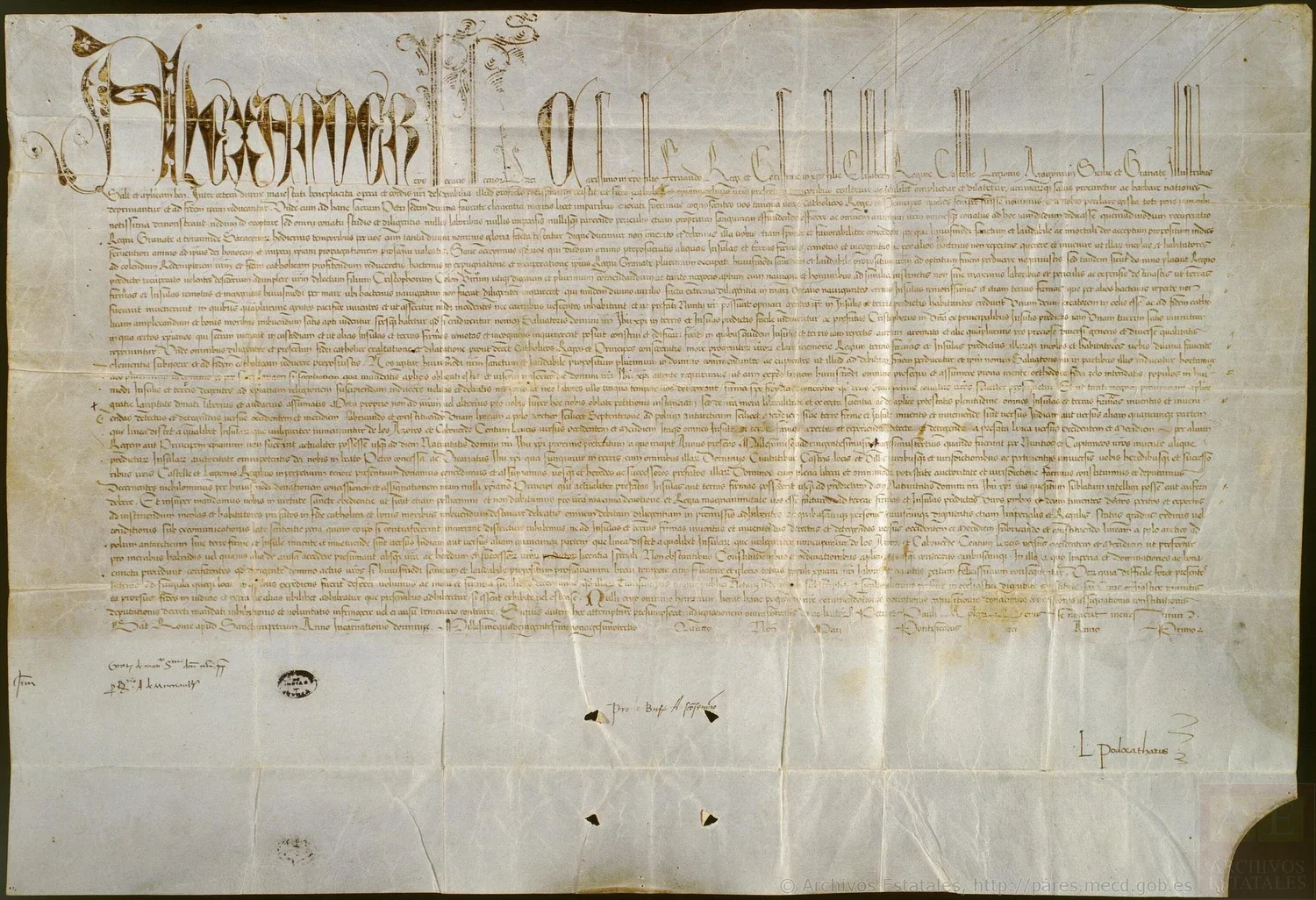
The Inter Caetera bull of 1493 issued by Pope Alexander XI.